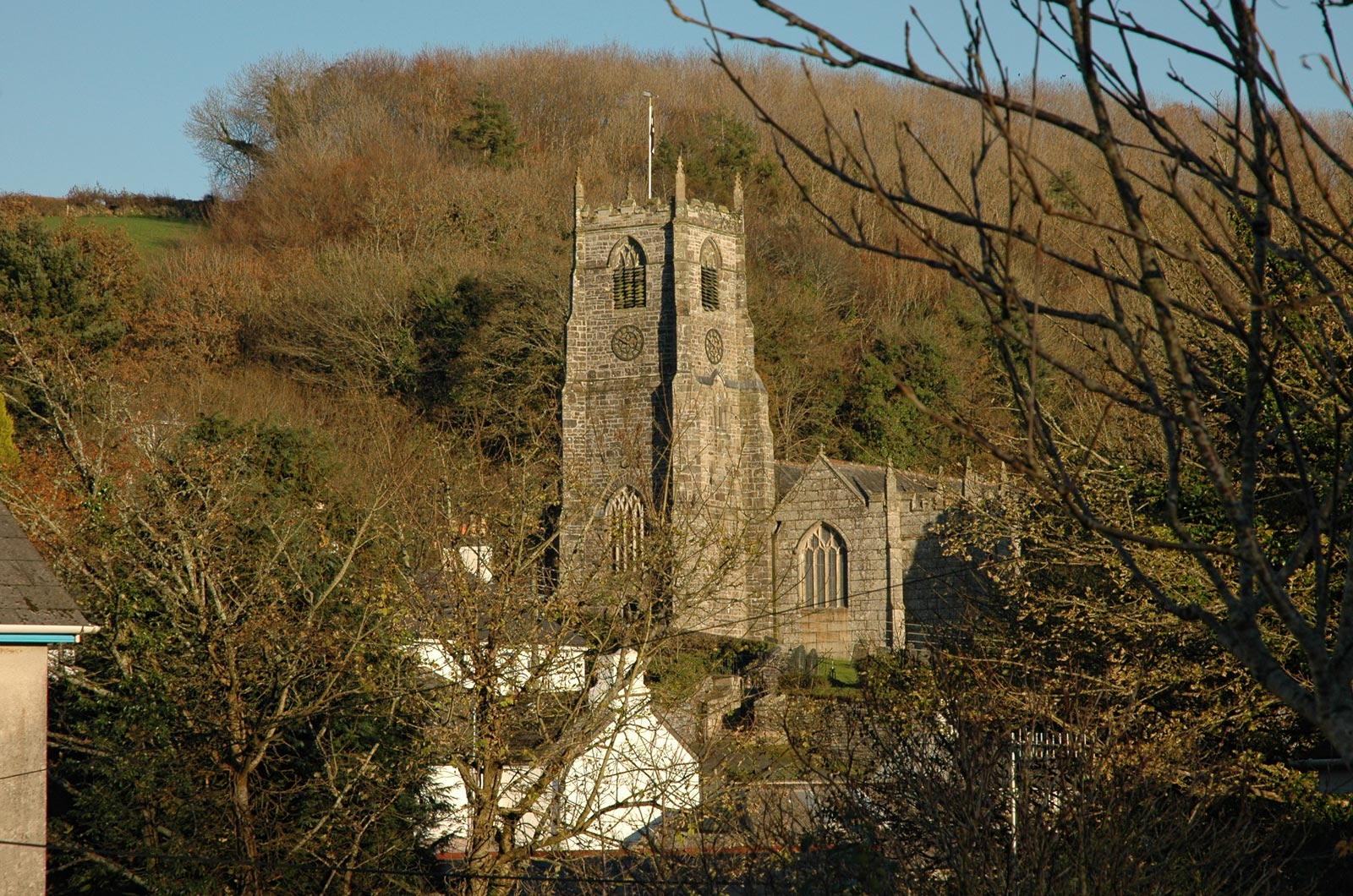
The text of a sermon preached at St Neot, Cornwall on the Fest of Pentecost, May 24th 2026.
The set readings were, Acts 21-21 1 Corinthians 123b-13 John 2019-23
The late John Taylor, a former Bishop of Winchester, in his book, The Go-Between God, wrote,
It is the function of the Holy Spirit to bring Jesus ceaselessly to our remembrance so that we may live and make all our choices in reference to him. The Spirit-filled life is the Christ-centred life.
How do you experience the Holy Spirit?
How did the first disciples experience the Holy Spirit?
…suddenly there came from heaven a sound as of a violent wind which filled the entire house in which they were sitting; and there appeared to them tongues as of fire; these separated and came to rest on the head of each of them. (Acts 22-3)
After saying this he breathed on them and said: Receive the Holy Spirit. (John 2022)
John, in his gospel, and Luke, in the Acts of the Apostles, have very different accounts of how the first disciples experienced the gift of the Holy Spirit.
The accounts are so different that it appears that they can hardly be describing the same phenomenon.
Are they two separate events?
I’m not going to attempt to answer that question now, because I don’t think that it very much matters for us this morning. It is enough to say that the first Christians had a powerful experience of what it meant for them to have received the Holy Spirit. It fulfilled the promise of Jesus that God would give you another Paraclete [or Advocate] to be with you for ever, the Spirit of truth, as we heard in the gospel of John two weeks ago; and it empowered their mission as they proclaimed the gospel and grew the early Church.
But it was more than this. The Holy Spirit in their lives renewed their relationship with God, helped them realise more fully what difference Jesus had made in their lives and in the world. She deepened their faith and reassured them on their pilgrimage through life towards union with God.
John recorded the experience of the giving of the Spirit in one way and Luke in another. The Holy Spirit will not be limited by our expectations of how she will come to us.
Wind; Fire; Breath; Power; Tongues; Stillness; Terror; Beauty; Energy; Quiet; Noise; Unsettling; Calming. But always drawing us to focus on Jesus – who he is, what he has done – and is still doing; and, most importantly, how we make sense of what his coming means for us. Making us pay attention to what is truly important – what God has done and is doing in Jesus.
Let’s think about each of these two accounts and see what they might teach us about what the Spirit’s coming means to us.
John’s account takes place on the evening of the day of the resurrection. The disciples have heard about – and seen – the empty tomb. They’ve heard what the women – so far the only witnesses of the risen Lord – have had to say, and they’re unsure what to make of it all.
The disciples are locked away in the upper room, where they had shared a final supper with Jesus. They have seen him die on the cross in a grotesque and brutal form of execution and fear that a similar fate may now await them. They’ve heard that Jesus has risen, but they are unready to believe it.
Then Jesus appears, greets them with a blessing of peace – shalom – as he surely has many times before and breathes on them – Receive the Holy Spirit.
This is the moment when everything changes for them. There can now be no going back as things were before.
Luke’s account could hardly be more different.
Fifty days after the resurrection the disciples are gathered together, still in the upper room (where they seem to have spent the whole time since they witnessed Jesus’ ascension a few days earlier), there comes a violent wind – the very antithesis of Jesus’ greeting of peace. Shalom! But that’s not all. After the wind come tongues of fire settling on each of them, compelling them to give utterance to words, not from themselves but from that same Spirit.
Although Luke’s narrative doesn’t say this we must assume by the context of the story that the disciples rushed out of the room where they were gathered – driven by fear, or by a new found enthusiasm? It’s hard to be sure.
But, notice now that the first thing that the disciples do in both accounts of the gift of the Holy Spirit.
In John they proclaim Jesus to Thomas when he returns, We have seen the Lord.
In Acts they rush out into the city and immediately speak to the crowds, who hear them preaching … about the marvels of God.
In both cases they seem to be reassuring their listeners – and perhaps themselves – that the crucifixion was not the end. They talk about Jesus.
They’re not thinking any longer about Jesus’ death, but about his life – the life he shared with them – the things he taught them; the things he did and they did together.
This is the proclamation of the gospel – Christ has died; Christ is risen; Christ will come again!
But it’s also a reminder of who Jesus was; what Jesus did; how Jesus changed everything. What might have been a time of introspection – of thinking about what could have been – has become a moment for going out and telling the world that God, in Christ, is doing something entirely new.
Newness is something of a theme in Jesus’ life and the life of the early Church.
New life, new wine, a new commandment, a new creation, the new Jerusalem.
These are the things that the Holy Spirit has revealed about what Jesus has done, constantly reminding those first disciples – and us – that all of this was achieved only in Jesus.
This is what the early Christians knew and what they proclaimed – in the gospels; in the Acts of the Apostles; in the letters of Paul, Peter, James, John and Jude; in the letter to the Hebrews and in the book of Revelation. It’s all about Jesus; all the result of the Holy Spirit keeping his memory alive in his disciples.. This is what they proclaimed in the synagogues, towns and cities of the Roman Empire and beyond. Inspired by the Spirit they talked, preached, wrote about Jesus and how he had transformed their lives and made them new.
And Christians have done the same ever since. In every generation, prompted always by the Spirit, they have talked about Jesus, remembered the things he said and did and from those memories have shaped their proclamation.
And our own time is no different. The Holy Spirit still leads us to remember Jesus and to talk about him – to each other and to the world.
This is the reason that the Holy Spirit has been given to us – so that we do not forget who Jesus is and why he is important. So that we can talk about Jesus in order that Christ is at the centre of all that we do.
As Jesus said to his disciples at his last supper,
when the Spirit of truth comes he will lead you to the complete truth, since he will not be speaking of his own accord, but will say only what he has been told; and he will reveal to you the things to come. He will glorify me, since all he reveals to you will be taken from what is mine.
The Holy Spirit constantly reminds us about Jesus and gives us words to proclaim him to the world.


Leave a Reply