This is the text of the first of a series of talks for Lent 2017, given in the the Parish Church of St Peter & St Paul, Lufton
I’ve entitled this series of talks Hymns and the Faith. In each of the talks we’ll look at one or more hymns to see what we can learn from them about the history of singing hymns in church, and also about what singing hymns can teach about God, about Jesus and about the teachings of the Christian faith.
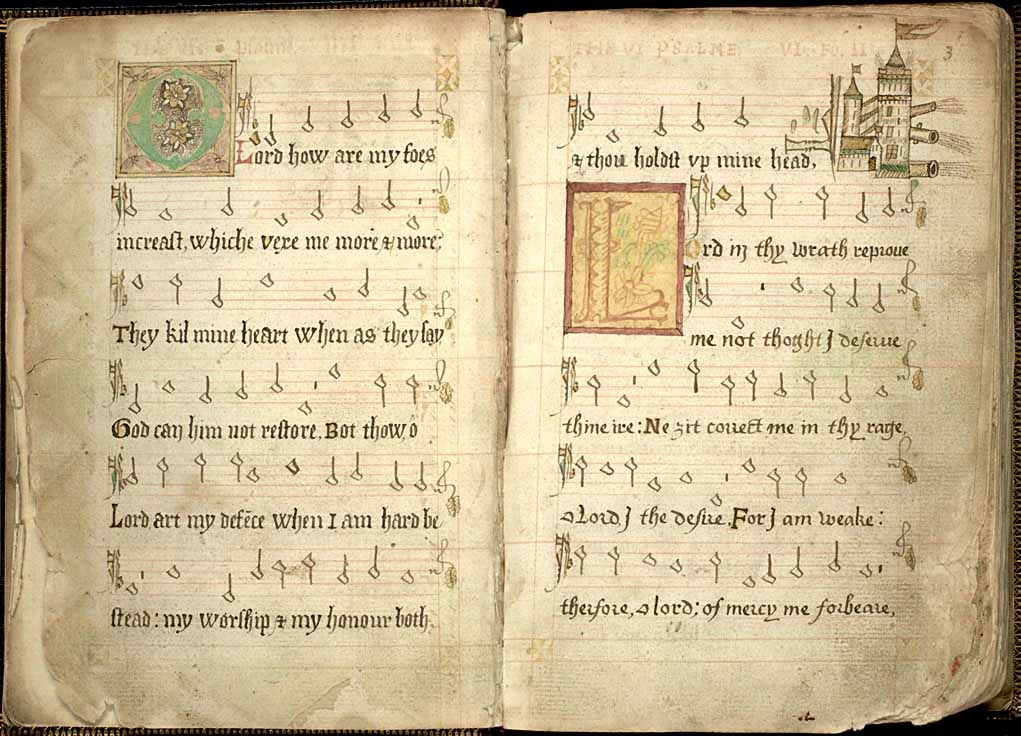
This first talk I’ve called As pants the hart. The hymn was published in 1696 in the New Version of the Psalms of David in Metre by Nahum Tate and Nicholas Brady. It is, of course, a metrical version of Psalm 42. The original version was much longer than the version we find in our modern hymn books which have only three verses from Tate and Brady’s hymn and a doxology added. (more…)
 ic in Mary’s mind as, finding the stone rolled away and the tomb empty, Mary runs to find Simon Peter and tells him, They have taken the Lord out of the tomb and we don’t know where they have put him.
  And because so many of us find it tricky, we also find that it becomes a source of guilt and anxiety for us. We don’t feel that we pray for long enough or often enough; or we don’t pray well enough; we don’t know what to pray about; our prayer is too formulaic and stale, lacking variety and inspiration; we get too easily distracted; and everybody else seems to do it better than me. You probably have your own anxieties that you could add to the list.
 Christmas. And then again you hear them when someone is complaining that the Christmas promotions in the shops in the high street and the advertisements on television appear to start earlier and earlier each year. You hear them when someone takes exception to the over-the-top Christmas decorations which some people put up outside their homes.
 exultemus