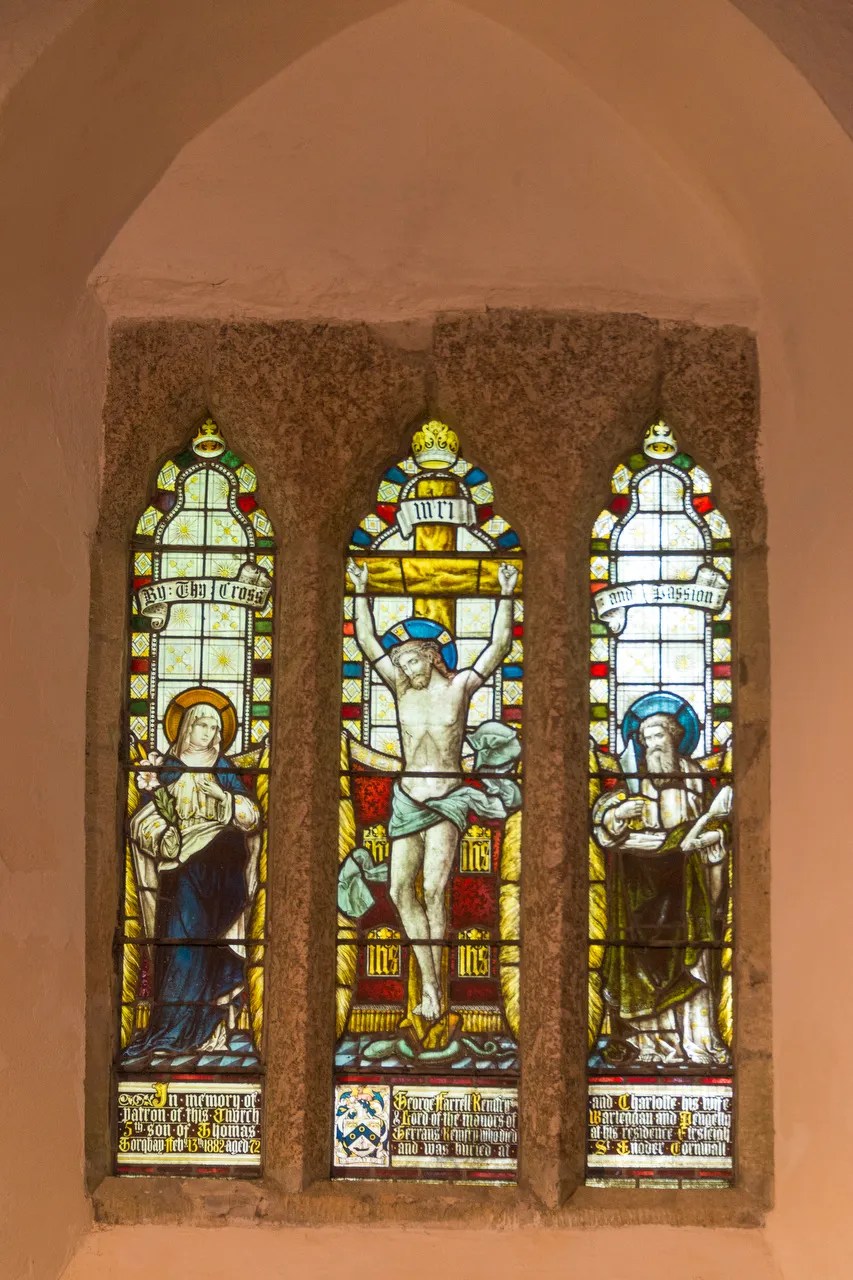
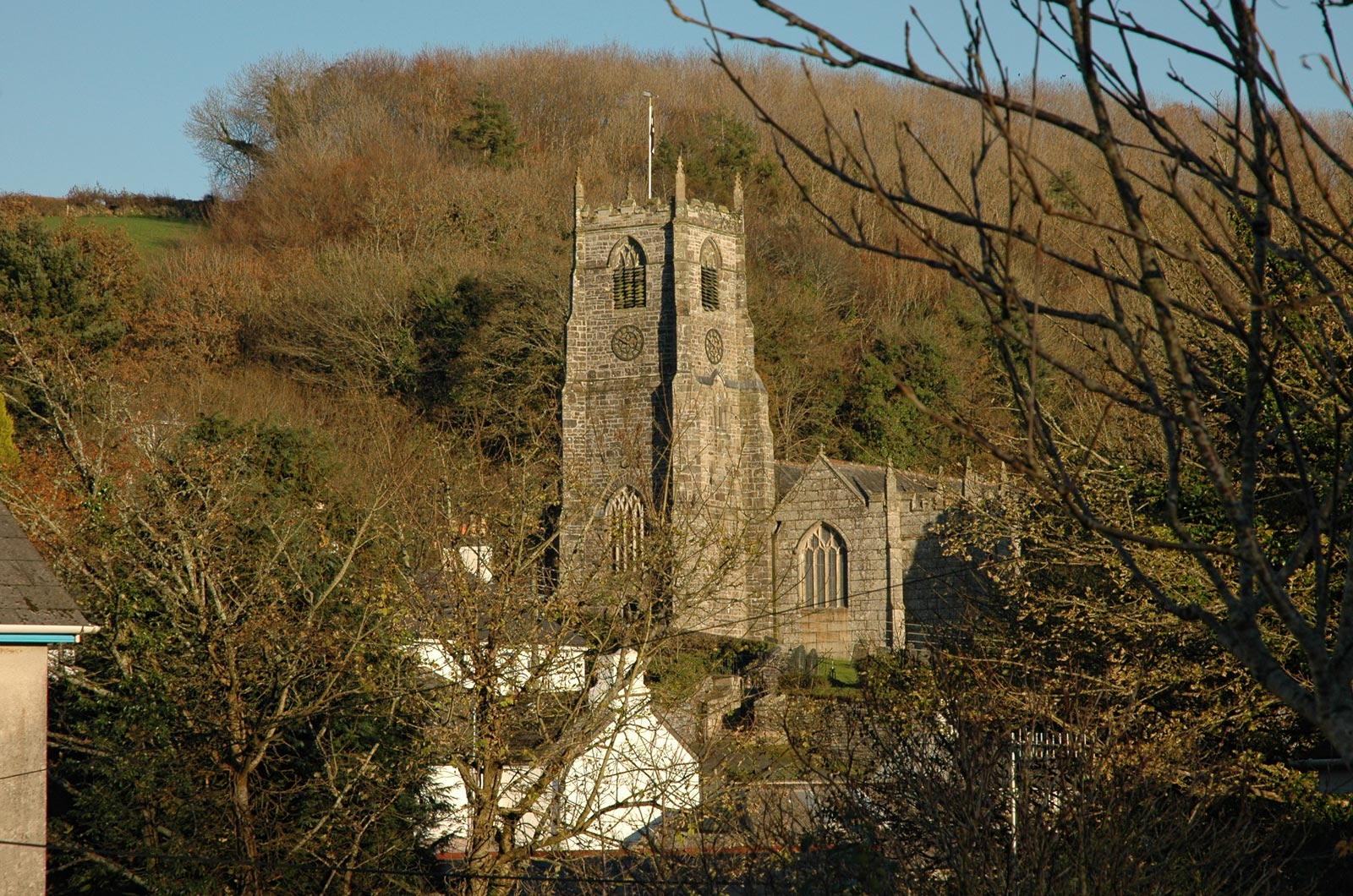
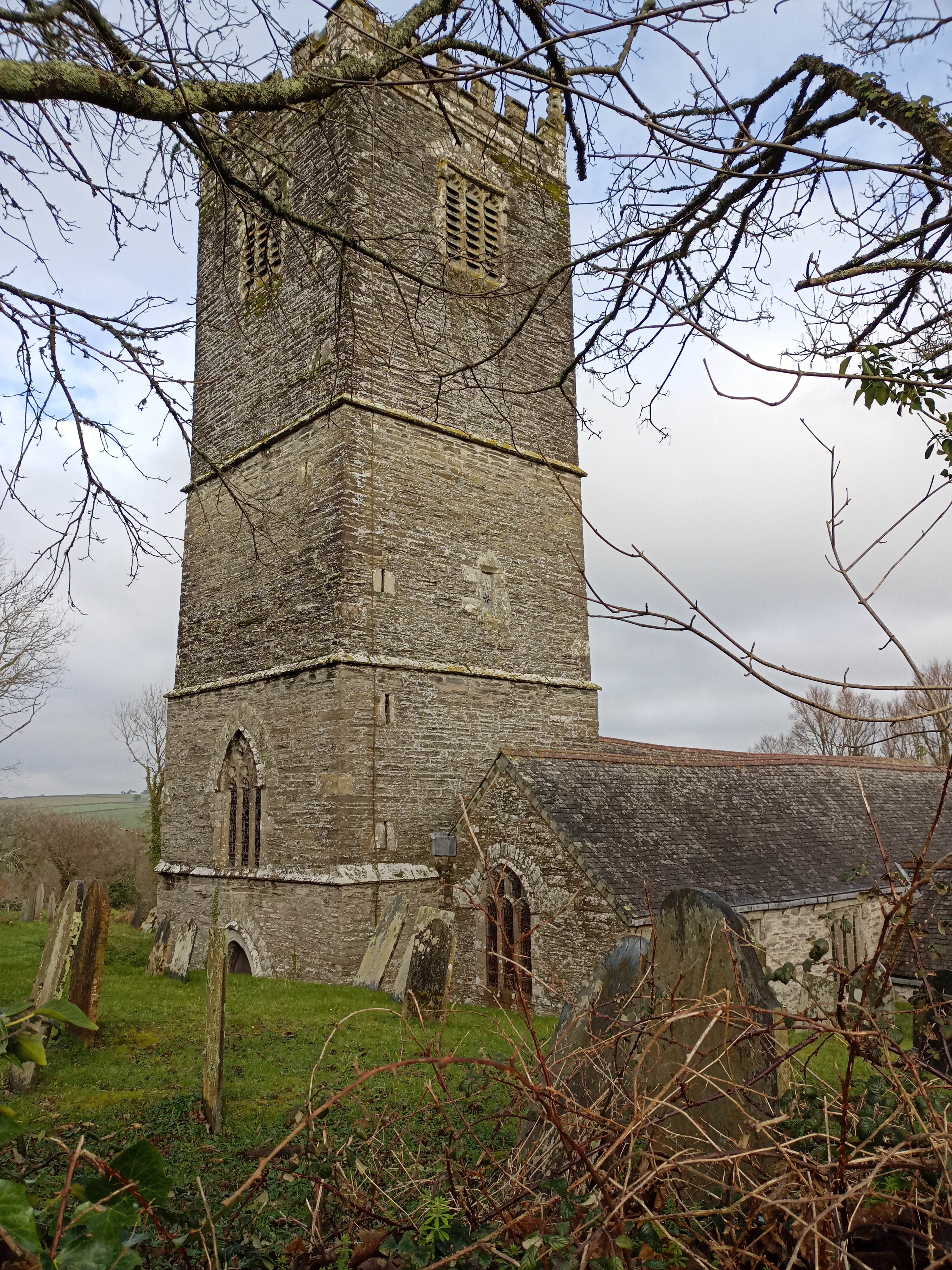
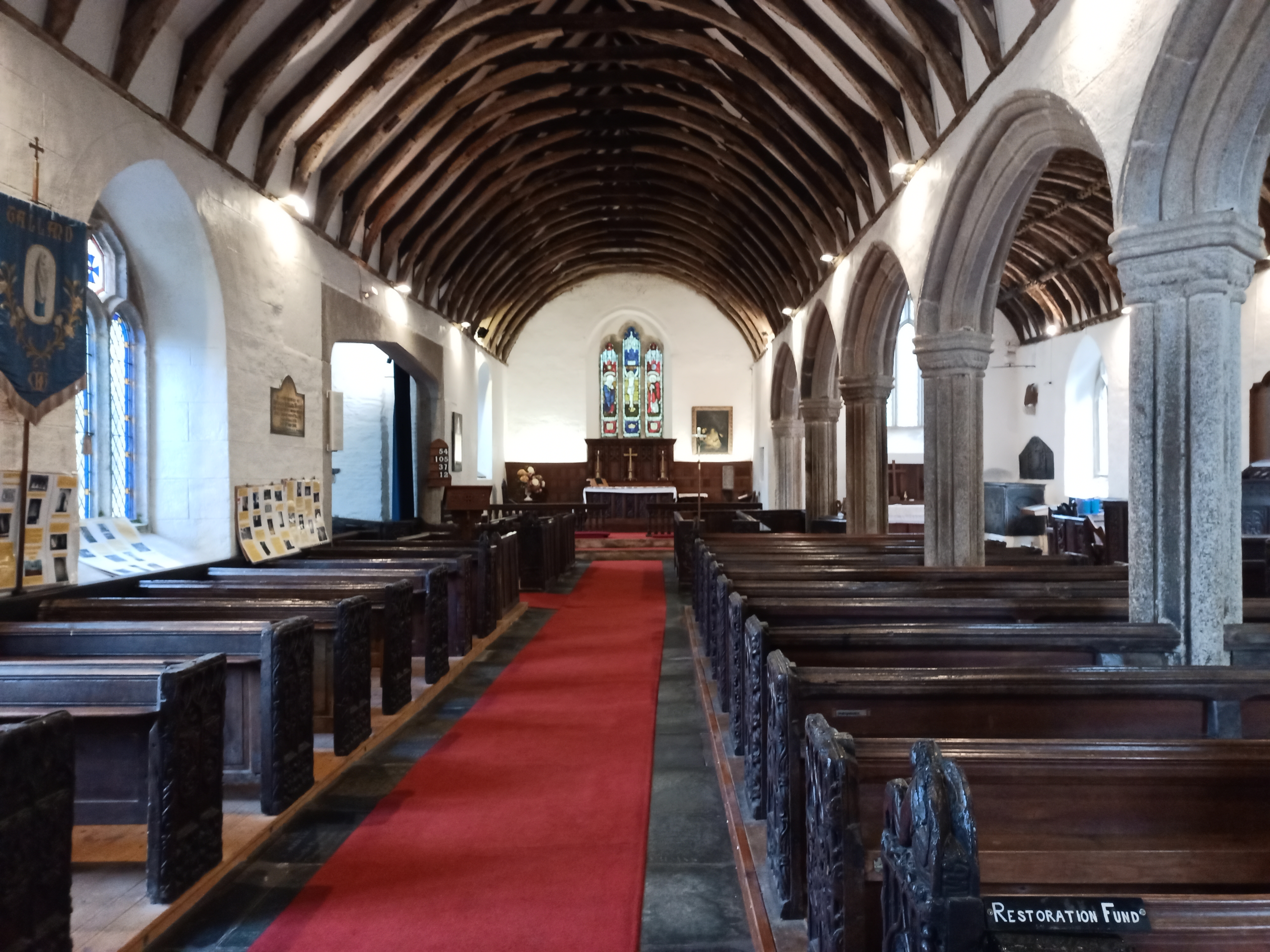
The text of a sermon preached at St Bartholomew’s Church, Warleggan, Cornwall on Sunday 15th March 2026
the readings were 1 Samuel 161-13 Ephesians 58-14 John 91-41
You were darkness once, but now you are light in the Lord; behave as children of light, for the effects of the light are seen in complete goodness and uprightness and truth.
These are the opening words from the verses of Ephesians read as this morning’s New Testament reading. They are all about light – and in particular about the light in which we live as Christians as a result of our having been baptised.
Paul, here, is reminding the Ephesian Christians to whom he is writing how much their lives have been transformed by their faith in Christ. It is like the difference between darkness and light. Not just walking out of darkness into light, but actually becoming light. They are not in the light, but they themselves are light.
And now, having become light, they are called to show up the works of darkness for what they are. Having themselves been transformed they are to transform the world around them.
In this morning’s gospel reading Jesus proclaims himself to be the light of the world.
I am the light of the world is one of the seven I am sayings in John’s gospel – I am the bread of life; I am the light of the world; I am the door; I am the Good Shepherd; I am the resurrection and the life; I am the way, the truth and the life; I am the vine.
Each of them reveals something important about who Jesus is and what his ministry is to achieve. They all appear in John’s gospel and on every occasion John seems to be saying to us, Pay close attention to this bit – it’s really important!
Jesus sees the man, a man who was born blind, not, he says, because either he or his parents sinned but so that the works of God might be revealed in him.
And immediately, before anything else happens he says,
As long as I am in the world
I am the light of the world.
The placement of this saying here seems to suggest that we need to interpret all that follows with the knowledge that Jesus is the light of the world, and to expect that this blind man will find his world filled with the light which Jesus brings..
John’s accounts of the events of Jesus’ ministry can be quite lengthy and complex. But this is how the story develops.
Jesus makes a paste, daubs it on the man’s eyes and tells him to wash in the pool, which he does and is now able to see.
His neighbours find it hard to believe that this is the same man who was blind. How can such a thing happen? He reassures them that it is he and that the man Jesus healed him.
The Pharisees interrogate the man, he tells them what Jesus did and how he received his sight. They debate among themselves whether Jesus can possibly be from God. How can he be? He breaks the Sabbath. The man tells them that Jesus could do this because he is a prophet.
His parents are questioned, How is it that your son can now see? – but they dodge the question by telling the questioners to ask their son, he can speak for himself.
So they do. They say Jesus is a sinner. The man responds with a remarkable profession of faith,
Whether he is a sinner I don’t know; all I know is that I was blind and now I can see.’
When they say that they don’t know where Jesus is from, he replies,
That is just what is so amazing! You don’t know where he comes from and he has opened my eyes! We know that God doesn’t listen to sinners, but God does listen to people who are devout and do his will. Ever since the world began it is unheard of for anyone to open the eyes of someone born blind; if this man were not from God, he wouldn’t have been able to do anything.
When he meets Jesus again Jesus asks him whether he believes in the Son of man. When Jesus tells him that it he, who has given him his sight, who is the Son of man he responds,
‘Lord, I believe,’ and worshipped him.
Notice how the man has come to confess Jesus – from the man Jesus, who opened his eyes at the beginning of the story, to a prophet, when the Pharisees ask him who he thinks that Jesus is, to a man from God, when he is challenged to agree with the Pharisees’ assessment of Jesus as a sinner, to, when he learns who Jesus truly is, calling Jesus Lord and worshipping him.
For this man it has been a journey from blindness to being able to see, but more importantly a journey from darkness to light.
And, a journey from being ignorant of who Jesus is to worshipping him as the Son of God.
The Pharisees, on the other hand, remain in darkness. They cannot recognise the truth of who Jesus is. They cannot come to the light because they are wilfully blind,
Jesus said: It is for judgement that I have come into this world, so that those without sight may see and those with sight may become blind.
Hearing this, some Pharisees who were present said to him, ‘So we are blind, are we?’
Jesus replied: If you were blind, you would not be guilty, but since you say, ‘We can see,’ your guilt remains.
Those who acknowledge Christ are in the light – indeed they are light.
And this is where we started with Paul and the Ephesians.
You were darkness once, but now you are light in the Lord; behave as children of light, for the effects of the light are seen in complete goodness and uprightness and truth.
But being light, as well as being a blessing to us, is a challenge as well. It is not enough to be in the light but it is a call, a commission – to become light and to be light in the world.



 exultemus