Tag: Prayer

  • A small first step

    Pope Leo XIV and King Charles III praying together in the Sistine Chapel

    On Thursday 23rd October 2025 King Charles III and Queen Camilla visited the Vatican. There they met with Pope Leo XIV. So much so ordinary you might think. But the King and Pope prayed together in the Sistine Chapel. The Catholic Pope, leader of the world’s Catholics and the Supreme Governor (not head) of the Church of England prayed together.

    Now you might suppose that a Catholic and an Anglican praying together is not so very strange at this point in our history – and you would be right; normally! But symbolically, at least, this is very significant indeed.

    There has been a deep division between Rome and the Church of England for around half a millennium, five hundred years. The division was caused by the Pope’s refusal to grant Henry VIII a divorce from Catherine of Aragon. Henry rejected the Pope’s authority and made himself head of the Church in England. Everybody knows that from their school history lessons.

    Of course, as always, it’s rather more complicated than that. There was a lot of political activity with Henry needing to form alliances and raise money to support his military ambitions. In addition, the same debates which were going on in the Reformation in continental Europe were also affecting Church life in England. Many of Henry’s leading church leaders were keen to see a reformation in England. The advice he received about how to gain his political ends will have served the interests of those who wished to see the Reformation take off in England.

    When Henry severed links with Rome he had no wish for the Church to change at all. He wanted the same Mass to be said, the same prayers, the same ecclesiastical setup. Hence the Church of England maintained much of its catholic practice. But it also underwent significant changes at the hands of Thomas Cranmer and other bishops of the time. Out went the Latin, in came the English Bible and liturgy, changes were made to the liturgy in the Book of Common Prayer, clergy were permitted to marry, traditional catholic doctrine was challenged and teachings closer to those of the reformers took its place.

    Catholics were persecuted in England and relationships were severed. It was not until the 19th Century that the temperature started to cool. The Second Vatican Council saw the Catholic Church become more open to dialogue with the Protestant and Anglican Churches.

    There are still many barriers to organic unity between the Anglican Communion and the Roman Catholic Church. These include some key doctrines of the Catholic Church, the ordination of women as priests and, especially, as bishops in the Anglican Communion. The readiness of Anglican Churches in north America, the United Kingdom and elsewhere to sanction the ordination of non-celibate homosexuals and to sanction same-sex relationships is a notable stumbling block for unity. However, things change, albeit slowly, in the Catholic Church and the same issues threaten unity within the Anglican Communion and the Church of England itself itself.

    So, to return to the prayers of King and Pope and its significance. No English monarch has prayed with the Pope (although the late Queen visited Rome and welcomed Pope John Paul II when he visited the UK) since the division with Henry VIII. When previous meetings took place praying together was not considered appropriate. That it is today reveals a greater openness to celebrate what we share in common. Perhaps too it suggests that we are prepared to start out on a path towards unity. It’s along way off yet but it cou;d the first small step.

    But symbolically it is a huge step forward. In the journey towards the unity of the Church, which is surely Christ’s will, it is a tiny, almost imperceptible step along that path. However, both Catholics and Anglicans know the deep significance of symbols – and that praying together is the surest path to unity.
  • Hidden truths and parables

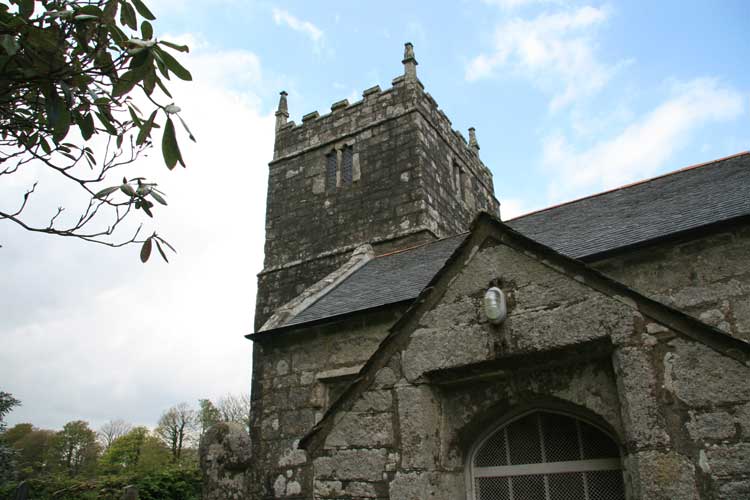
    Church tower of St Bartholomew’s, Warleggan

    The text of a sermon preached at St Bartholomew’s Church, Warleggan and at St Neot, Cornwall on Sunday 19th October 2025

    Today’s readings were, Jeremiah 3127-34 2 Timothy 314-45 Luke 181-8

    Why did Jesus use parables when he was teaching the crowds who came to hear him?

    Right now you’re probably thinking something like, He told colourful stories to teach us about the kingdom of God, or To reveal what God wants us to do and to be.

    But if that’s all he’s doing, why doesn’t he just tell us? Why doesn’t he say something like, The kingdom of God is like a place where everybody just gets on with each other, where everybody is supported and cared for by everybody else, where no one cheats, or lies, or hurts other people; be the sort of people who can make that happen, but he doesn’t; he tells us about a good Samaritan, or a prodigal son, or about the wise and foolish bridesmaids, or about sheep and goats, or, as this morning, about a corrupt judge and a persistent widow.

    There’s more to parables than telling us about the kingdom or about God. There are clues in the gospels to tell us why Jesus uses parables and we find one in Luke’s gospel when Jesus’ disciples ask him what the parable of the sower means, and he replies,

    To you is granted to understand the secrets of the kingdom of God; for the rest it remains in parables, so that

    they may look but not perceive,
    listen but not understand.

    So parables are used both to reveal and to hide the truth. Reveal it to those who are ready to hear but to hide it from those who are not.

    We might say that the truth of Jesus’ teaching is revealed only to those who are prepared to reflect upon what he says, to mull it over, to think deeply about it.

    Now, it has to be admitted that some parables are easier to understand than others – the good Samaritan and the prodigal son are pretty straightforward for us to make sense of, but others are much trickier.

    Today’s parable falls into that second category. It’s not immediately obvious what the truth is that is being revealed.

    At a first reading it seems as if Jesus is telling us that it is by pestering God in prayer that we get the response we want. But a moments thought tells us that this cannot be right. God cannot be badgered into doing what we want. Prayer surely doesn’t change God – it changes us!

    So we must look a little closer and think again and we see other themes, some of which we can easily relate to.

    The widow has clearly been cheated. We don’t know how. Perhaps she has been swindled in the market place, or a workman has failed to do the work that he promised and she paid for, perhaps a neighbour has borrowed a precious possession and now refuses to return it. Maybe an official has been exploiting her for his own gain. We don’t know and it doesn’t matter – she has clearly been wronged and it seems quite likely that someone with power has taken advantage of her vulnerable status as a widow. And now the judge is adding wrong to wrong. However, her persistence pays off and justice is granted.

    So we have a story with a satisfactory ending, but what does it teach us about God and about the kingdom?

    In the character of the judge we can surely detect a warning about what is not acceptable to God. His actions remind us that there are people who exploit the vulnerable and the needy. They use their power and authority for their own advantage and not for the good of the society In which they live. His actions remind us that there are many vulnerable people who can easily be taken advantage of and that those people deserve justice, support and care – no less true today than in the time of Jesus.

    It reminds us that God is on the side of the weak and powerless. He sides with the poor. This message is reinforced time and again in Luke’s gospel.

    In the parable of the prodigal son we can see, in the father, God with his readiness to forgive; we can see ourselves in the brother with his bitterness and jealousy. The lesson here seems clear. These associations that we make help us to get inside the story and make sense of it.

    In today’s parable, though, we cannot see God in either of the characters in the same way. He cannot be seen in the actions of the judge – God does not act so unjustly, nor does he withhold or delay justice in this callous fashion. So we have to conclude that this parable teaches us little about God or the kingdom. It seems more a case of teaching us what the kingdom is NOT like rather than what it is like. So we must look elsewhere.

    Neither can we very fruitfully put ourselves into the story. Doing so might give us some insight into how the judge and the widow experience the story but it’s not gong to provide a key to unlock the message for us.

    In the previous chapter Jesus has been warning his disciples what the Day of the Lord will be like.

    He’s warned his disciples not to be fooled by false alarms about the end. It will come at an unexpected moment, some will be taken, others left; it will be awful and sudden. Therefore they need to be in a continual state of readiness for it.

    This is the context in which he delivers this parable and Luke helps us to unpack its meaning by his introduction to it,

    Then he told them a parable about the need to pray continually and never lose heart.

    The widow is commended to us because of her persistence. She goes back to the judge again and again until he gives in and grants her the justice she deserves – even if it is not done out of the noblest of motives. He does it because he fears that she will wear him out with her persistence (although that phrase could mean that she might slap him in the face – the widow becomes, for the judge, a formidable and even terrifying adversary!)

    Her persistence reveals the same attitude that we need to prayer. Not because God needs persuading, but because we need not to lose sight of our final goal. The woman is entirely focussed on getting justice and so persists. We should be entirely focussed on our place in the kingdom, and our readiness for the Day of the Lord. The way to do that is through prayer – by continually putting ourselves in God’s presence, not because of what that does to God, but because of what it will do to us. And what it should do to us is to drive us to action. Prayer can never be a passive exercise.

    That constant prayer will ensure that we are always ready for the Day of the Lord. It will ensure that our focus, our attention is in the right place – on God and on responding to his love by the way we live and interact with those among whom we live.

    Because this is not just about being reflective and prayerful – this is about God’s justice and our response to injustice in the world. It is about being empowered by our prayer and making the kingdom present. Because our prayer means nothing if it changes nothing. It is about whether we stand with and for God – and especially with the weak and vulnerable – or with the world

    This parable is a challenge to us to pray continually and to make God and his kingdom present in the world today.

  • Lord, teach us to pray

    This is the text of a sermon preached at St Tallanus Church, Talland, Cornwall on 27th July 2025

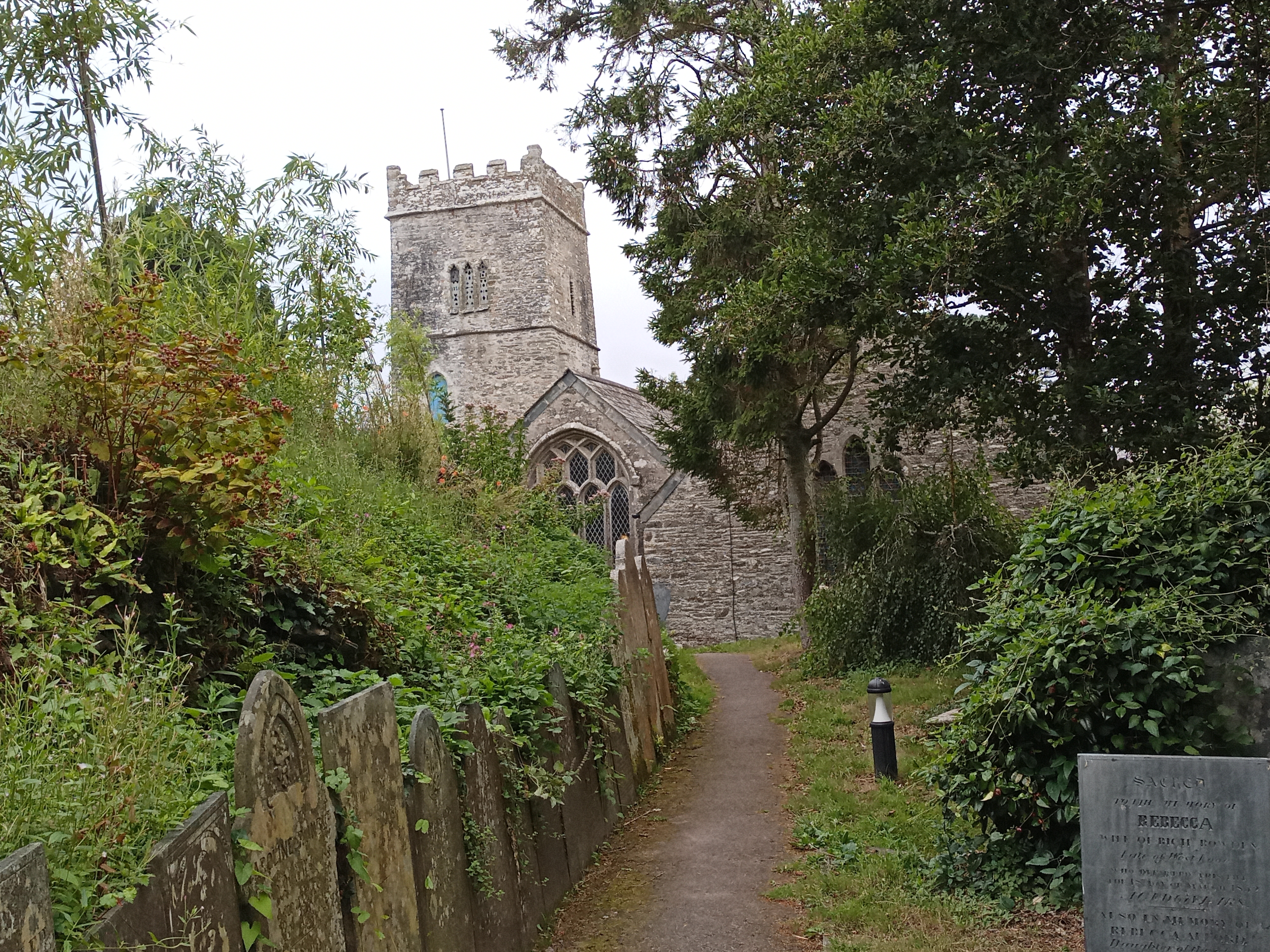
    St Tallanus Church, Talland

    Hosea 12-10 Colossians 26-15[16-19] Luke 111-13

    Lord, teach us to pray,

    When I was confirmed almost sixty years ago my parish priest gave me a little book,In His Presence– a sort of handbook of how to live a Christian life. It’s first instructions were about how to pray and to make prayer a central part of my discipleship. My prayers, it said, should follow the acronym,

    Adoration – love, adore and praise God

    Confession – we confess our sins and ask God’s forgiveness

    Thanksgiving – we give thanks to God for the blessings of our life

    Supplication – we pray for the needs of others or of ourselves

    ACTS, ACTS of worship

    Jesus here, in response to his disciples’ request, teaches his disciples what we know as the Lord’s Prayer. Although, this version, from Luke’s gospel is different to that found in Matthew’s gospel, the prayer that Jesus taught his disciples does everything we need to do in prayer.

    It defines the relationship that we have with God. It stresses our need for God and all that he provides for us. It leads us to beg forgiveness and reminds us of our responsibility to be forgiving of others ourselves. It pleads with God to be present to save us from times of test and temptation.

    And now in a little more detail.

    Luke’s version begins with the single word Father. There’s no invocation such as Almighty God, Heavenly King, Lord of Creation nor anything else that stresses the greatness of God compared to our own insignificance. It’s a title of God which emphasises the closeness of our relationship with him.

    When Jesus tells us to pray, Father, he is reminding us, every time we pray that we are in a loving relationship with God. Matthew’s version Our Father in heaven puts a little distance between us and the Father – still the relationship but God is a heavenly Father.

    We know that Jesus spoke often of God as his Father, and that he even used the word Abba which is similar to daddy. So, we know that this form of address is all about the closeness and tenderness of the relationship.

    God is a god to whom we can take our concerns, our problems and our most intimate worries, and who is ready to listen and show us the love that can build us up and heal us.

    Father, may your name be held holy,

    we know that holiness is an attribute of God, and the very act of praying reveals that we already hold God to be holy. We’re not praying that we ourselves will hold God holy, but that God will be held universally to be holy.

    This prayer is surely about God being revered for who he is throughout the world, so this prayer is a prayer to make God known and therefore is a challenge to us, and a statement of our intention to make God known.

    Father, may your name be held holy,
    your kingdom come;

    When God is known he will be acknowledged as King; his kingdom will come.

    Those of us who know God as Father and hold him holy are already members of his kingdom. When God is universally held holy the kingdom will also be universally present.

    Father, may your name be held holy,
    your kingdom come;
    give us each day our daily bread,

    Now we pray for what we need to live, but also to be disciples of Jesus. Each day in Luke’s prayer is different to Matthew’s today or this day. We ask that God’s provision of our needs is renewed day after day. It is about a covenant relationship between us and God. We call on the relationship, and commit to making God known. We pray for the spread of the kingdom and ask God to sustain us – physically and spiritually.

    Father, may your name be held holy,
    your kingdom come;
    give us each day our daily bread,
    and forgive us our sins,
    for we ourselves forgive everyone who is in debt to us

    we know that forgiveness can never be only something that we receive, but something that we must give too. Indeed, being forgiven is conditional upon us being forgiving. Showing forgiveness makes a huge difference in our world. It reveals the truth that resentment and vengeance are damaging to relationships and that forgiveness allows them to flourish. It heals our own relationships, but it heals the wounds in society too.

    Father, may your name be held holy,
    your kingdom come;
    give us each day our daily bread,
    and forgive us our sins,
    for we ourselves forgive everyone who is in debt to us.
    And do not put us to the test.

    And finally, a prayer that we will not be put to the test, not tempted beyond what we can endure and resist. Luke is concerned, especially in his Acts of the Apostles, for those Christians who are not able to remain faithful and the prayer has Jesus telling us to pray not to be tested that we may remain faithful.

    The Lord’s prayer, as Luke records it (or, indeed, as Matthew records it), says all that needs to be said to reinforce and build up our relationship with God. It commits us to a deeply Christian way of living, and reminds us daily of God’s commitment to us.

    The Lord’s Prayer though is very much about our relationship with God. It’s all about getting that relationship right so that we can grow as faithful followers of the Christian way.

    What it doesn’t do is give a us a model for praying for others. However, it does make clear that we can take our needs and concerns to God, and that, because of the relationship we have with God, he is ready to hear and respond to those needs and concerns.

    If we are concerned about our neighbour who is housebound and lonely; if we are worried about our grandchild who is ill; if we’re anxious about our daughter’s difficult marriage; if we’re alarmed about the situation in Gaza; if anything at all, no matter how important or trivial it might be, we know that we can take those concerns to God in prayer and he is ready to hear us and will answer us – although how God answers prayer is whole other sermon.

    Lord, teach us to pray,

    When you pray, this is what to say:

    Father, may your name be held holy,
    your kingdom come;
    give us each day our daily bread,
    and forgive us our sins,
    for we ourselves forgive everyone who is in debt to us.
    And do not put us to the test.

  • We have a decision to make

    We have a decision to make

    Depending on where you look the Pastoral Letter about the General Election from the Archbishops of Canterbury and York has been both praised and criticised. The Daily Mail is excited that the Bishops have seen the light and abandoned trendy leftie causes. So a thumbs up from the Mail which is surely a bit of a worry in itself. In today’s Guardian there is an article gently chiding the Bishops for not being bold enough in their call to Christians to take their responsibilities seriously – Come on bishops, be bold. Promote some real Christian principles, because Anglicans are, according to YouGov, almost twice as likely to vote Conservative as Labour, which suggests that they haven’t quite got the hang of their own religion (Michele Hanson). And all this from an atheist. (more…)

  • Out of the frying pan, into the fire?

    Well, that was a shock – but not, perhaps, a complete surprise. Last Thursday the British people (or more accurately the English and Welsh people) voted to leave the European Union.

    It was clear during abrexit heated and often acrimonious, and sometimes depressing campaign, that feelings were running high. As is always the case on such occasions those who wanted to leave were passionate and forceful, while those who were not actively involved in the campaign largely held their counsel. A lot of things were said by campaigners – some of them true, but many clearly not – and some were provocative and have led occasionally to confrontation between people who voted leave and have been telling immigrants to Go home now or worse. (more…)

  • Thy Kingdom Come

    The Archbishops of Canterbury and York have invited all churches and members of the Church of England to keep this week, leading up to the feast of Pentecost, as a week of prayer for the evangelisation of our nation and for the mission of the Church.
    The need to share our faith and to keep our focus on calling new members to join our churches has TKCbeen a key focus for Archbishop Justin ever since he was appointed to the See of Canterbury, and rightly so. We have been a church in decline for decades. Each new set of statistics has shown that fewer people worship in our churches and a smaller proportion of the population claim to align themselves with a religion in our country (although that proportion remains remarkably high). (more…)

  • When you pray, say …

    Prayer is a tricky business. Or at least so it would seem from conversations that I’ve had with other Christians, with people on the fringe of Church life and non-Christians who challenge me about it. And, if I’m honest, it can be a bit of tricky business for me too. And lots of teaching on prayer appears designed to make us feel guilty about it.

    CANDLEAnd because so many of us find it tricky, we also find that it becomes a source of guilt and anxiety for us. We don’t feel that we pray for long enough or often enough; or we don’t pray well enough; we don’t know what to pray about; our prayer is too formulaic and stale, lacking variety and inspiration; we get too easily distracted; and everybody else seems to do it better than me. You probably have your own anxieties that you could add to the list. (more…)
  • Our Father …

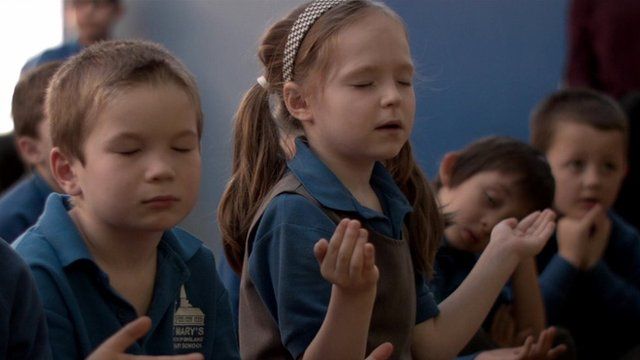
    The Lord’s Prayer has been in the news this week and has received lots of publicity. And all because a Church of England advert for the new Just Pray website has been banned from being shown in cinemas because it might be offensive to people of other faiths or no faith.

    The outrage would suggest that the cinemas have got that wrong. Critics of all faiths and none have condemned the decision, but it’s probably the case that more heat than light has been generated in the debate.Lords_Prayer

    I guess that it’s likely that more people have watched the advert in two days on YouTube than would have seen it in the cinema on its day of release – and certainly more people have noticed it – so it’s probably already been an effective piece of publicity. (more…)