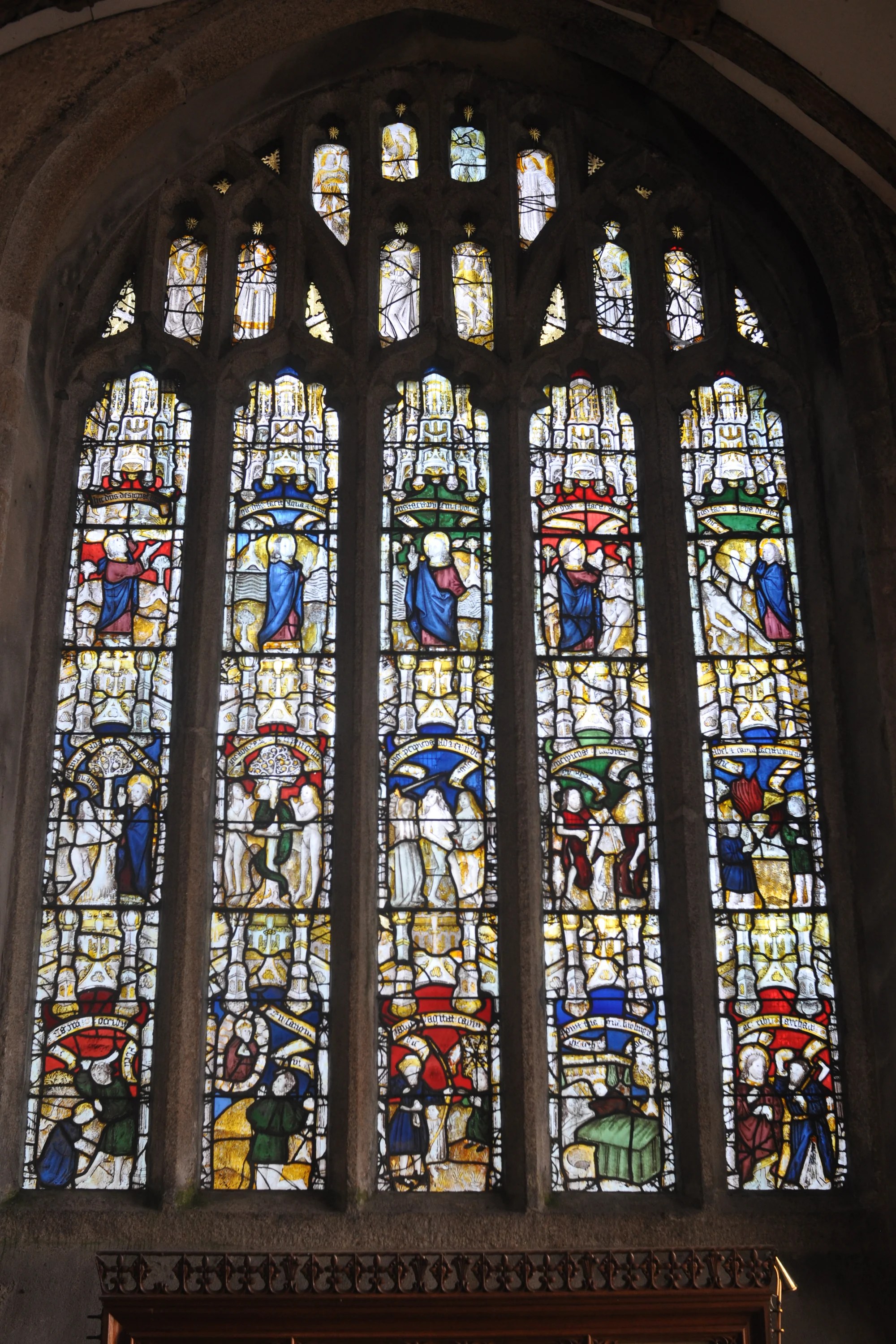
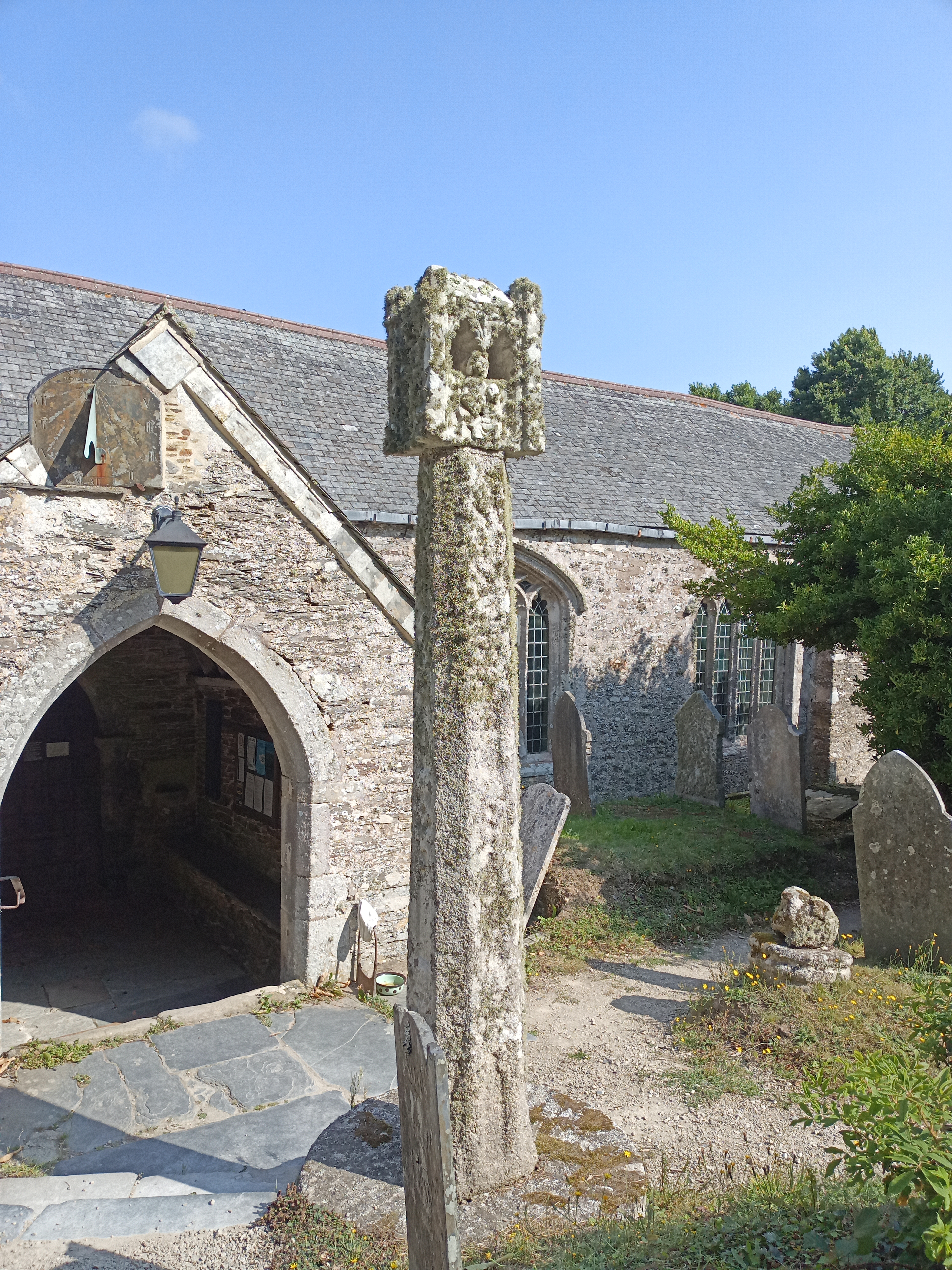
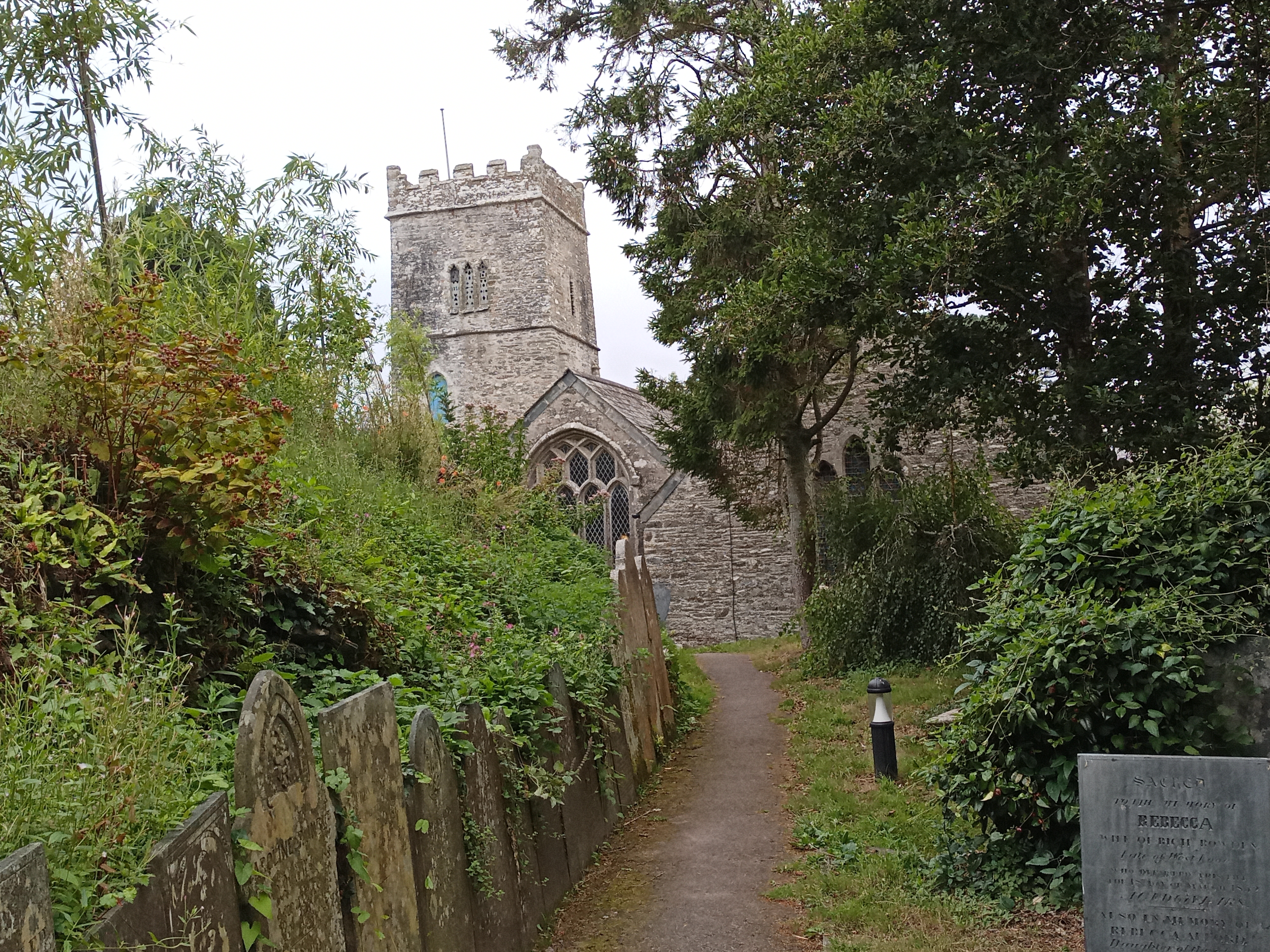
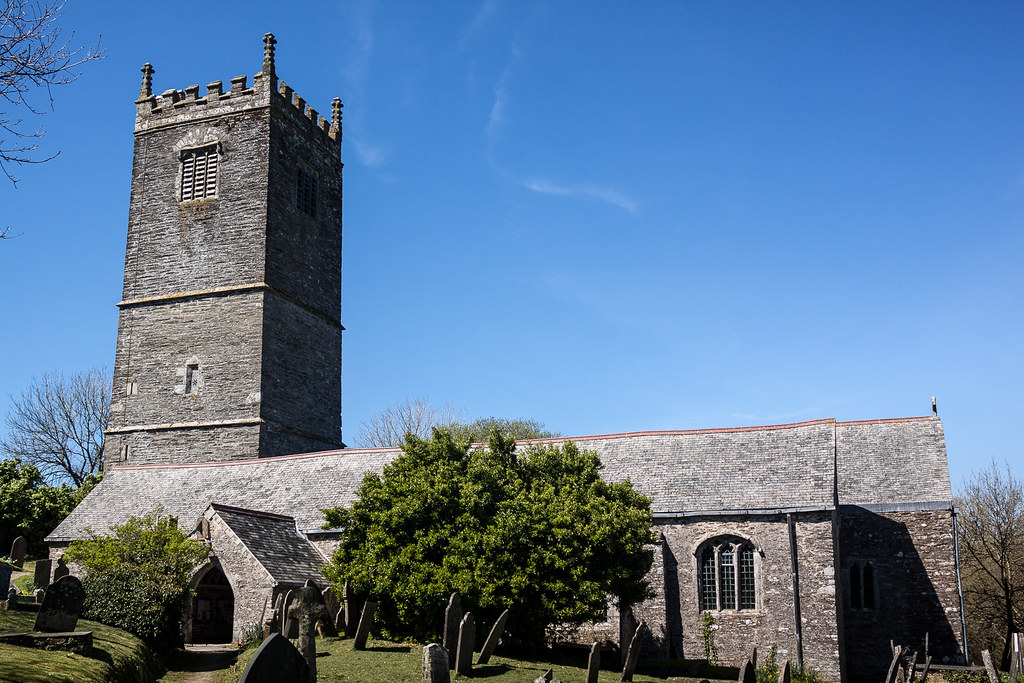
This the text of a sermon preached in the Church of St Neot, Cornwall on Sunday 5th October 2025
The readings were, Lamentations 11-6 2 Timothy 11-14 Luke 175-10
The apostles said to the Lord, “Increase our faith.”
Surely as we hear the apostles’ plea that Jesus should increase their faith we have sympathy. If only we had more faith the things we could do; we could fill our church every Sunday; the ways we could change the world; the help we could give to those in need; the people we could heal; the peace we could bring to the world; how ready to forgive we would be; how easy it would be to plant a mulberry tree in the sea. Well, maybe that last one is not on the list of things we think we could do with more faith but Jesus seems to suggest that it would be possible if only we have faith the size of a mustard seed.
Jesus’ response to the apostles’ request is clearly absurd – another example of his use of hyperbole. But he’s making an important point to them – and to us!
Think of the context in which this exchange happens. Jesus is on his way to Jerusalem. He has been exercising his ministry in Galilee for almost three years. He has been travelling to Jerusalem by stages for, perhaps, several weeks. His disciples have been with him for all that time watching him and listening to him, learning from him and asking questions of him for the whole of those three years.
In the verse before this morning’s gospel passage Jesus has told them,
If your brother or sister does something wrong, rebuke them and if they’re sorry, forgive them. And if they wrong you seven times a day and seven times comes back and says, “I am sorry,” you must forgive them.
It appears that this is what provokes the request for more faith. They feel that they have not enough faith to be able to forgive that often, that much. Indeed, Jesus is not telling them that forgiveness is easy, nor that it can ever be cheap to forgive – or receive – forgiveness. But he does want them to understand that forgiveness is a prerequisite for the faithful; it’s not negotiable – so they feel they need more faith to be able to fulfil that demand of ready forgiveness.
We understand how they feel. We know that forgiveness is not easy – especially when we feel wronged time after time. If repentance appears only to be said and not sincerely meant it seems natural and right to withhold forgiveness – but remember, on the cross Jesus forgave his persecutors not because they were sorry but because they were ignorant of the wrong they were doing, Father, forgive them; they do not know what they are doing.
There can be no excuse for being unprepared to forgive, so the apostles and we are wrong to believe that we need “more faith.” And that is what Jesus tells them when he says, If you had faith like a mustard seed you could say to this mulberry tree, “Be uprooted and planted in the sea,” and it would obey you.
I don’t believe for a moment that Jesus intended us to take that literally.
It’s as if Jesus is saying, What! You’ve been with me for three years. Are you saying that you do not even have faith the size of a mustard seed? It’s tiny. And even faith that tiny can uproot a tree and plant it in the sea.
He’s saying that even a tiny amount of faith can achieve remarkable things. He’s telling us that we have enough faith to do the things that need to be done – even forgiving our brother or sister seven times a day!
There are many things that we feel that we are not good enough to do for the Lord. There are things that we feel that we could do if we had a stronger faith, things we could achieve if only God would pour out his Spirit on us.
But we’re wrong. We do have enough faith to do those things. We’re just using lack of faith as an excuse. It’s not lack of faith; it’s a lack of enthusiasm, a lack of energy, a lack of commitment, a lack of time – or making time.
We always have an excuse for why we are not achieving the things that we feel we should be achieving. Always waiting for God to do something to help us to do what we know he wants us to do.
That’s what this saying means – even the tiny amount of faith we have is enough to move mountains, if we’ll let it.
This same thought appears also to drive the thinking of Paul when he writes to Timothy in this morning’s New Testament reading,
I am reminding you now to fan into a flame the gift of God that you possess … God did not give us a spirit of timidity, but the Spirit of power and love and self-control.
We know no details of exactly why this was written but it seems that Timothy needs to be reminded that he already possesses the gifts from God that he needs for the challenges that face him. Paul has already mentioned the faith that he has – handed down from his mother and grandmother, Eunice and Lois.
Paul wants him to know that what he has is enough so, he continues,
You are never to be ashamed of witnessing to our Lord … but share in my hardships for the sake of the gospel, relying on the power of God who has saved us and called us to be holy.
Paul here encourages Timothy and reminds him of the God-given gifts he has but never suggests that he needs more – not more faith, not more gifts. What he has is sufficient. Although what he is called to do may not be easy it will not unachievable because he does not have the resources of faith, character or ability that he needs. It will be timidity or fear that holds him back.
Paul and Jesus agree – those who have faith have the gifts they need to perform the service God requires of them. Lack of what God provides is not the cause of our failure to succeed in the tasks assigned to us; it is our inability to recognise and use those gifts. You might call it a lack of confidence.
We have all we need. We just need to be confident in the gifts of God.





 exultemus