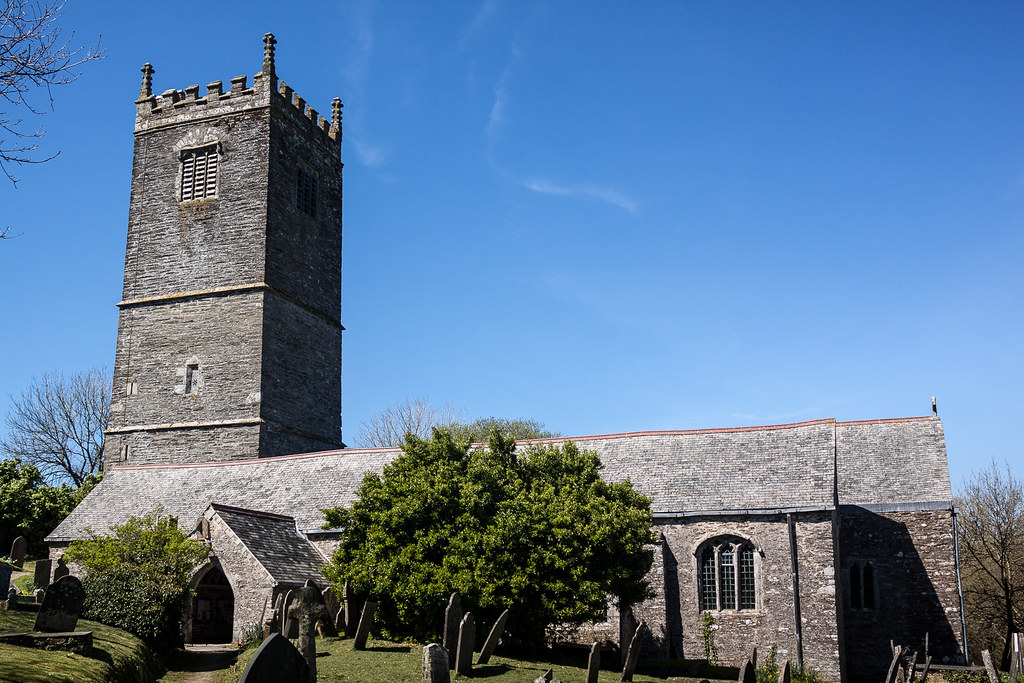
This is the text of a sermon preached at St Tallanus Church, Talland, Cornwall on 27th July 2025
Hosea 12-10 Colossians 26-15[16-19] Luke 111-13
Lord, teach us to pray,
When I was confirmed almost sixty years ago my parish priest gave me a little book,In His Presence– a sort of handbook of how to live a Christian life. It’s first instructions were about how to pray and to make prayer a central part of my discipleship. My prayers, it said, should follow the acronym,
Adoration – love, adore and praise God
Confession – we confess our sins and ask God’s forgiveness
Thanksgiving – we give thanks to God for the blessings of our life
Supplication – we pray for the needs of others or of ourselves
ACTS, ACTS of worship
Jesus here, in response to his disciples’ request, teaches his disciples what we know as the Lord’s Prayer. Although, this version, from Luke’s gospel is different to that found in Matthew’s gospel, the prayer that Jesus taught his disciples does everything we need to do in prayer.
It defines the relationship that we have with God. It stresses our need for God and all that he provides for us. It leads us to beg forgiveness and reminds us of our responsibility to be forgiving of others ourselves. It pleads with God to be present to save us from times of test and temptation.
And now in a little more detail.
Luke’s version begins with the single word Father. There’s no invocation such as Almighty God, Heavenly King, Lord of Creation nor anything else that stresses the greatness of God compared to our own insignificance. It’s a title of God which emphasises the closeness of our relationship with him.
When Jesus tells us to pray, Father, he is reminding us, every time we pray that we are in a loving relationship with God. Matthew’s version Our Father in heaven puts a little distance between us and the Father – still the relationship but God is a heavenly Father.
We know that Jesus spoke often of God as his Father, and that he even used the word Abba which is similar to daddy. So, we know that this form of address is all about the closeness and tenderness of the relationship.
God is a god to whom we can take our concerns, our problems and our most intimate worries, and who is ready to listen and show us the love that can build us up and heal us.
Father, may your name be held holy,
we know that holiness is an attribute of God, and the very act of praying reveals that we already hold God to be holy. We’re not praying that we ourselves will hold God holy, but that God will be held universally to be holy.
This prayer is surely about God being revered for who he is throughout the world, so this prayer is a prayer to make God known and therefore is a challenge to us, and a statement of our intention to make God known.
Father, may your name be held holy,
your kingdom come;
When God is known he will be acknowledged as King; his kingdom will come.
Those of us who know God as Father and hold him holy are already members of his kingdom. When God is universally held holy the kingdom will also be universally present.
Father, may your name be held holy,
your kingdom come;
give us each day our daily bread,
Now we pray for what we need to live, but also to be disciples of Jesus. Each day in Luke’s prayer is different to Matthew’s today or this day. We ask that God’s provision of our needs is renewed day after day. It is about a covenant relationship between us and God. We call on the relationship, and commit to making God known. We pray for the spread of the kingdom and ask God to sustain us – physically and spiritually.
Father, may your name be held holy,
your kingdom come;
give us each day our daily bread,
and forgive us our sins,
for we ourselves forgive everyone who is in debt to us
we know that forgiveness can never be only something that we receive, but something that we must give too. Indeed, being forgiven is conditional upon us being forgiving. Showing forgiveness makes a huge difference in our world. It reveals the truth that resentment and vengeance are damaging to relationships and that forgiveness allows them to flourish. It heals our own relationships, but it heals the wounds in society too.
Father, may your name be held holy,
your kingdom come;
give us each day our daily bread,
and forgive us our sins,
for we ourselves forgive everyone who is in debt to us.
And do not put us to the test.
And finally, a prayer that we will not be put to the test, not tempted beyond what we can endure and resist. Luke is concerned, especially in his Acts of the Apostles, for those Christians who are not able to remain faithful and the prayer has Jesus telling us to pray not to be tested that we may remain faithful.
The Lord’s prayer, as Luke records it (or, indeed, as Matthew records it), says all that needs to be said to reinforce and build up our relationship with God. It commits us to a deeply Christian way of living, and reminds us daily of God’s commitment to us.
The Lord’s Prayer though is very much about our relationship with God. It’s all about getting that relationship right so that we can grow as faithful followers of the Christian way.
What it doesn’t do is give a us a model for praying for others. However, it does make clear that we can take our needs and concerns to God, and that, because of the relationship we have with God, he is ready to hear and respond to those needs and concerns.
If we are concerned about our neighbour who is housebound and lonely; if we are worried about our grandchild who is ill; if we’re anxious about our daughter’s difficult marriage; if we’re alarmed about the situation in Gaza; if anything at all, no matter how important or trivial it might be, we know that we can take those concerns to God in prayer and he is ready to hear us and will answer us – although how God answers prayer is whole other sermon.
Lord, teach us to pray,
When you pray, this is what to say:
Father, may your name be held holy,
your kingdom come;
give us each day our daily bread,
and forgive us our sins,
for we ourselves forgive everyone who is in debt to us.
And do not put us to the test.